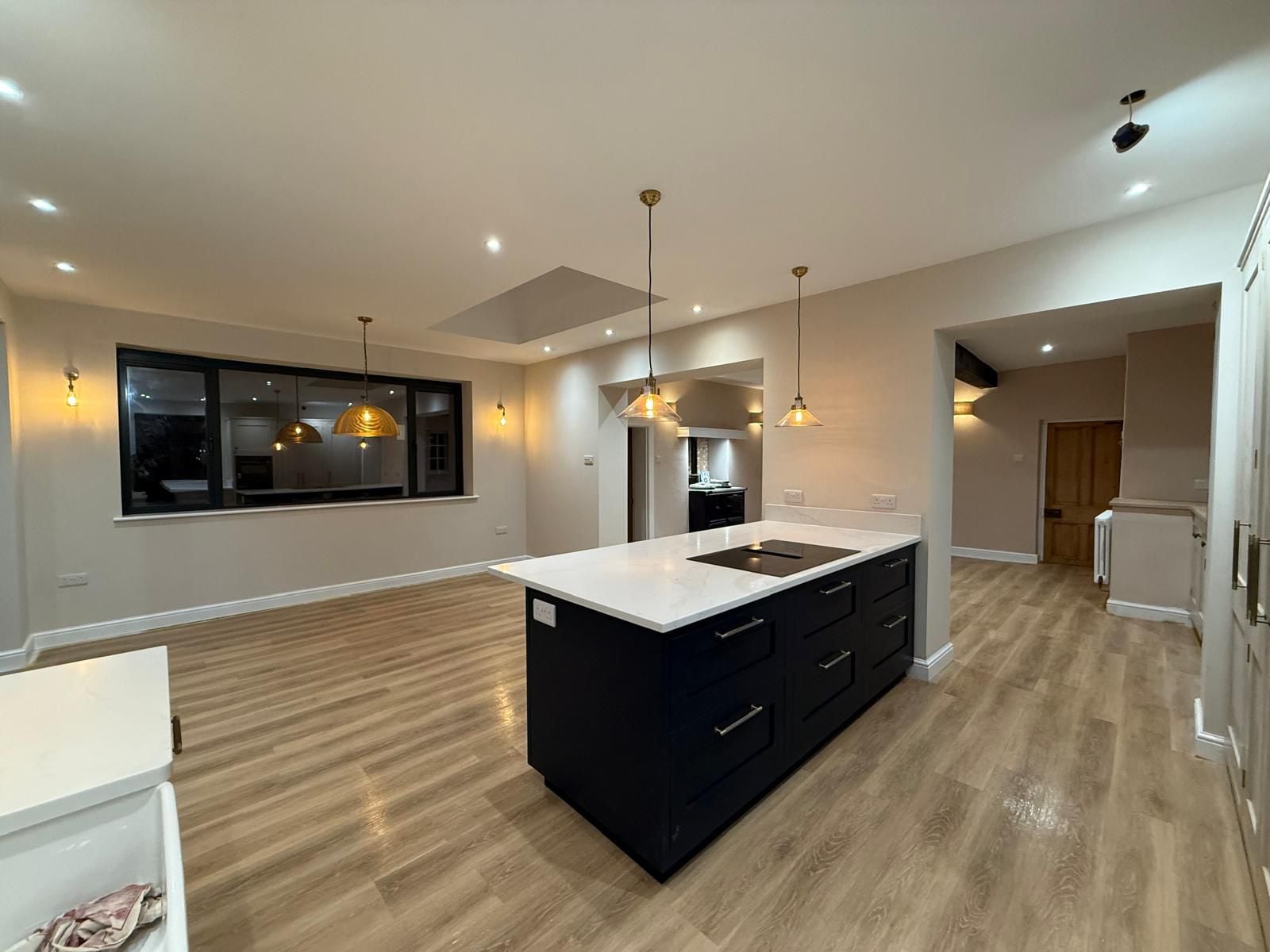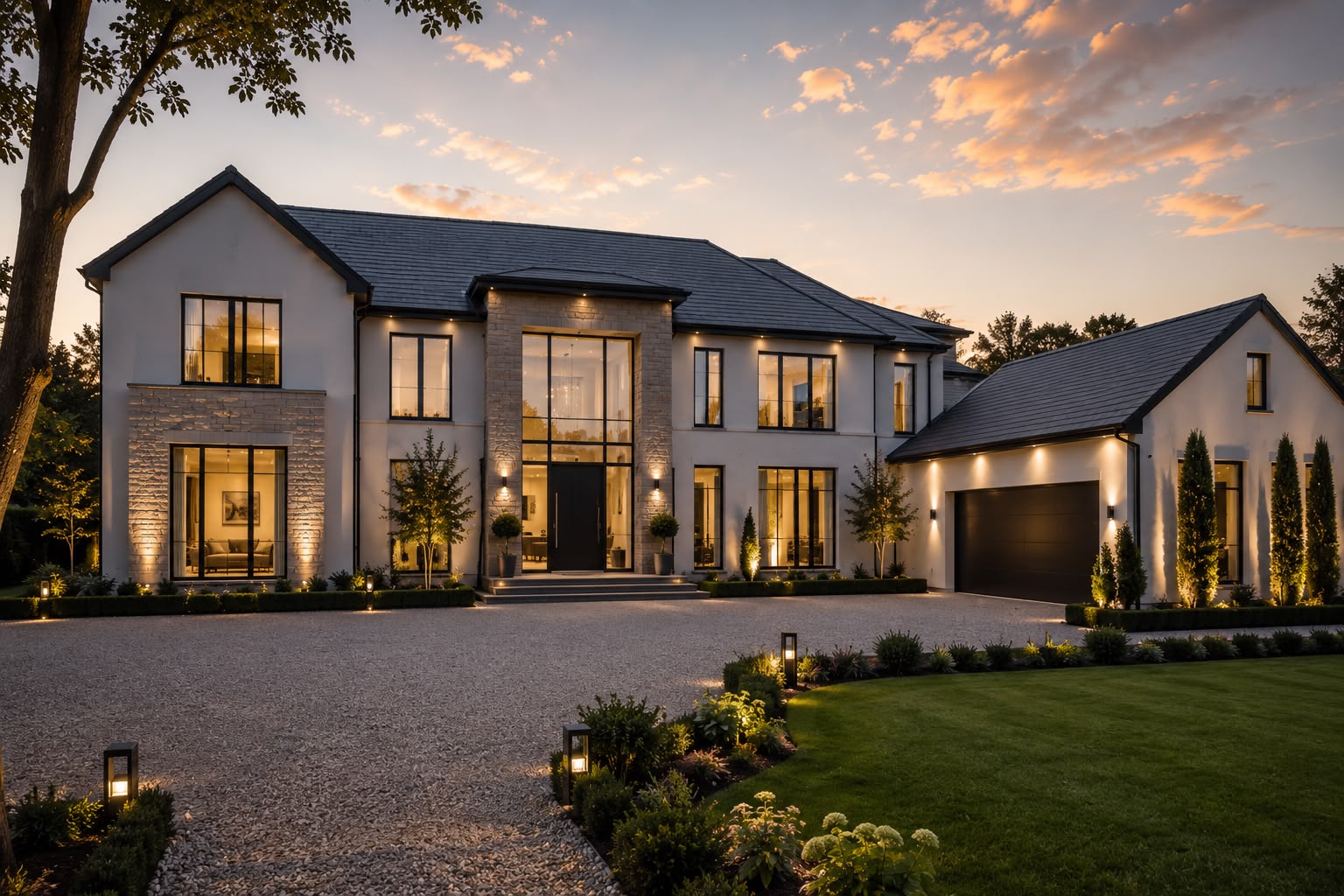
Most high end projects involve an architect, a structural engineer, a main contractor and several specialist trades. The projects that run well are the ones where those roles are clear from the start.
Agree who holds the programme
Someone has to own the sequence of works and the dates. On our projects that is us, working to the design the architect has set. Ambiguity here is what produces a site waiting on a decision nobody realised they owned.
Get the contractor involved before tender
A builder reading a design early can flag buildability and lead time issues while they are still cheap to solve. Steel, glazing, stone and bespoke joinery all carry lead times that need ordering weeks ahead of the day they are needed on site.
Fix the specification before work starts
Changes made on paper cost a conversation. The same change made once the first fix is in costs materials, labour and time. A specification signed off before the first delivery is the cheapest document on the project.
Keep one channel for decisions
Site queries answered in three different places produce three different answers. One written record of what was asked and what was agreed protects everybody, the client most of all.
Expect the site to be looked after
Clear communication, clean sites and an organised programme are not extras on a high end project. They are the difference between living through a build and enduring one.